Pencils, markers or crayons: which tool fits which coloring page?
Written by the Amy Color Club editors with the help of AI and checked by us.
Colored pencils, markers and crayons each do something different on paper. Which tool suits which coloring page, and which paper works best for each.
The coloring box usually holds a mix of colored pencils, markers, wax crayons and a few stubs nobody can name. Each tool gives a different result on the page. Choosing the right one for the picture makes coloring easier and the finished page look better. This article explains what each tool does and which coloring pages suit it.
Colored pencils
Colored pencils give a soft, layered color. You can press hard for a strong shade or stay light for a pale one, and you can build up layers. They suit pages with many small areas, because you can fill those spaces carefully.
The downside is time. A large page with lots of areas takes a while. Choose colored pencils for a page you want to spend time on, such as the wildflowers by the pond.
Markers
Markers give a bright, flat color that covers quickly. For young children this is satisfying, because the result shows up at once. The downside is that markers can soak through thin paper and leave marks on the table. Use a thicker sheet or put a spare sheet underneath.
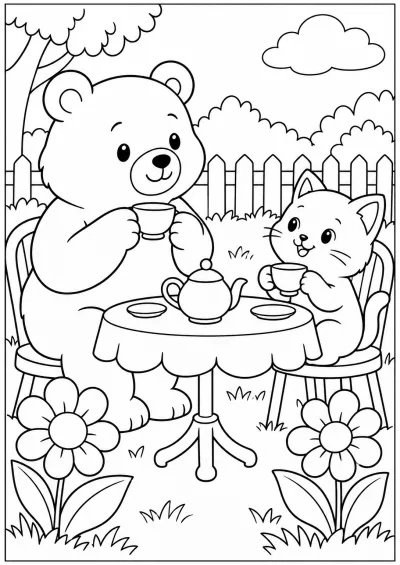
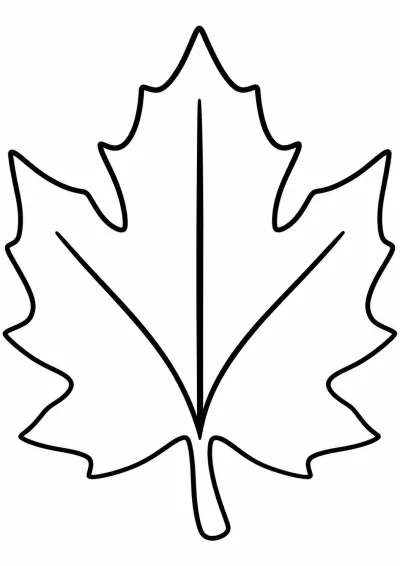
Markers suit pages with large shapes. The big autumn leaf is a good example: one color per shape and you are finished. A cup of tea in the garden works in the same way.
Keep the cap on when you are not using them. Markers dry out quickly when left open.
Wax crayons
Wax crayons are thick and sturdy. They suit small children and large, simple shapes. You can also layer them: color lightly, then go over the same area with a second color. On smooth paper the color glides, while paper with a bit of texture holds more.
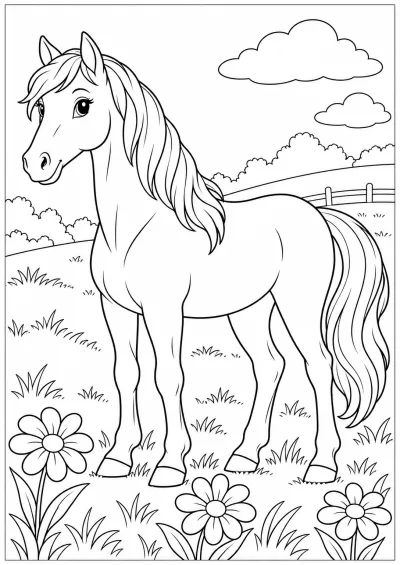
For a page with a clear outline, crayons are a good choice. A horse in a flower meadow is a simple example with clear shapes.
Which page for which tool
A simple rule of thumb: large areas with markers or crayons, small details with pencils. A page like the large cat has big shapes and is easy to finish with any tool.
The detailed collection collects pages with more small areas. Those suit colored pencils well. The easy collection has large shapes, where almost any tool works.
Which paper works
Ordinary printer paper of 80 grams is fine for colored pencils and crayons. For markers, a thicker sheet of 100 grams or more works better, because the color does not soak through. Test the tool first. Color a small corner of the page and see what happens before you start.
A tip for classrooms: keep the tools in labeled tubs, one tub per type. Children then find what they need without asking, and the tools last longer when they are kept together.
Keep things clean
Colored pencils can be cleaned up with a soft cloth. Markers leave marks on tables, so put a sheet of paper underneath the page. Wax crayon on clothes is hard to remove, so dress children in something that can take a mark.
To finish
There is no right or wrong tool. The best choice depends on the page and the child. A small set of three types is enough to start, and you can add more later. The overview of all coloring pages has pages for every tool.